Design-Build vs. General Contractor: Which is Right for Your Home Remodel?

By Brian Schemp, Crestmark Home Remodeling
Embarking on a home remodeling project can be both exciting and overwhelming, especially when deciding on the right approach to take. The two most common methods—design-build and general contracting—each offer unique advantages that can significantly impact the outcome of your renovation. In this article, you will learn about the core differences between design-build and general contracting, how each can influence your project timeline and budget, and which method might best suit your needs in the Greater Phoenix area. Homeowners often find themselves grappling with questions about project management, cost efficiency, and quality of results. This exploration will provide clarity on these essential aspects, while also highlighting how partnering with a reputable firm like Crestmark Home Remodeling can enhance your remodeling experience.
What Are the Core Differences Between Design-Build and General Contracting?
The primary distinction between design-build and general contracting lies in the project management structure and collaborative approach employed. Design-build services merge both design and construction processes under one contract, promoting streamlined communication and consistency throughout the project. In contrast, general contractors oversee the construction phase based on designs procured separately, often resulting in fragmented communication and potential misalignments.
How Does the Design-Build Process Streamline Home Remodeling?

The design-build process simplifies the home remodeling experience by integrating both design and construction phases, which allows for a single point of contact. This approach minimizes miscommunications, ensuring that the client's vision is consistently captured and executed. By fostering collaboration between designers and contractors, design-build projects often experience faster completion times, as potential issues can be addressed proactively throughout the project lifecycle.
What Roles and Responsibilities Define a General Contractor?
General contractors are responsible for managing the overall construction process, which includes hiring and supervising subcontractors, ensuring compliance with building codes, and maintaining project timelines. Their role as intermediaries requires strong communication skills to relay updates and requirements between the homeowner and the various subcontractors involved. While they manage quality control, the segmented nature of their workflow can sometimes lead to delays or cost overruns if not effectively coordinated.
Which Remodeling Method Offers the Best Cost and Timeline Advantages?
When evaluating cost and timeline advantages, design-build generally comes out ahead due to its integrated approach. By combining design and construction, this method reduces the likelihood of budget overruns and misunderstandings that can arise in separate contracts.
It is crucial to consider how different project delivery methods, like design-build, affect overall project outcomes in terms of efficiency and financial management.
Evolution of Project Delivery Methods in Construction
on the project delivery methods available in the construction choose the appropriate project delivery method. This research for project delivery methods in today’s construction industry.
Critical review of the evolution of project delivery methods in the construction industry, S Ahmed, 2020
How Does Design-Build Remodeling Improve Budget Adherence and Reduce Project Time?
Design-build remodeling tends to improve budget adherence by employing a cohesive team that collaborates closely on cost estimation from the outset. This means that design changes are assessed within the context of the overall budget, leading to lower chances of unexpected expenses. On average, projects utilizing a design-build method can achieve a timeline reduction of about 10-15%, as planning and execution occur simultaneously with fewer interruptions. For homeowners looking to understand cost implications further, exploring general contractor costs can highlight common budget factors.
Such findings are reinforced by studies that have quantitatively assessed the effectiveness of design-build approaches in other complex project environments.
Design-Build vs. Design-Bid-Build in Transportation Projects
of cost and schedule? Economic theories of contract selection suggest that Design-Build would fit However, analyses of comprehensive data on public transportation projects in FloridaDesign-bid-build (DBB) vs. design-build (DB) in the
US public transportation projects: The choice and consequences, J Park, 2017
What Cost Factors and Scheduling Challenges Are Typical with General Contracting?
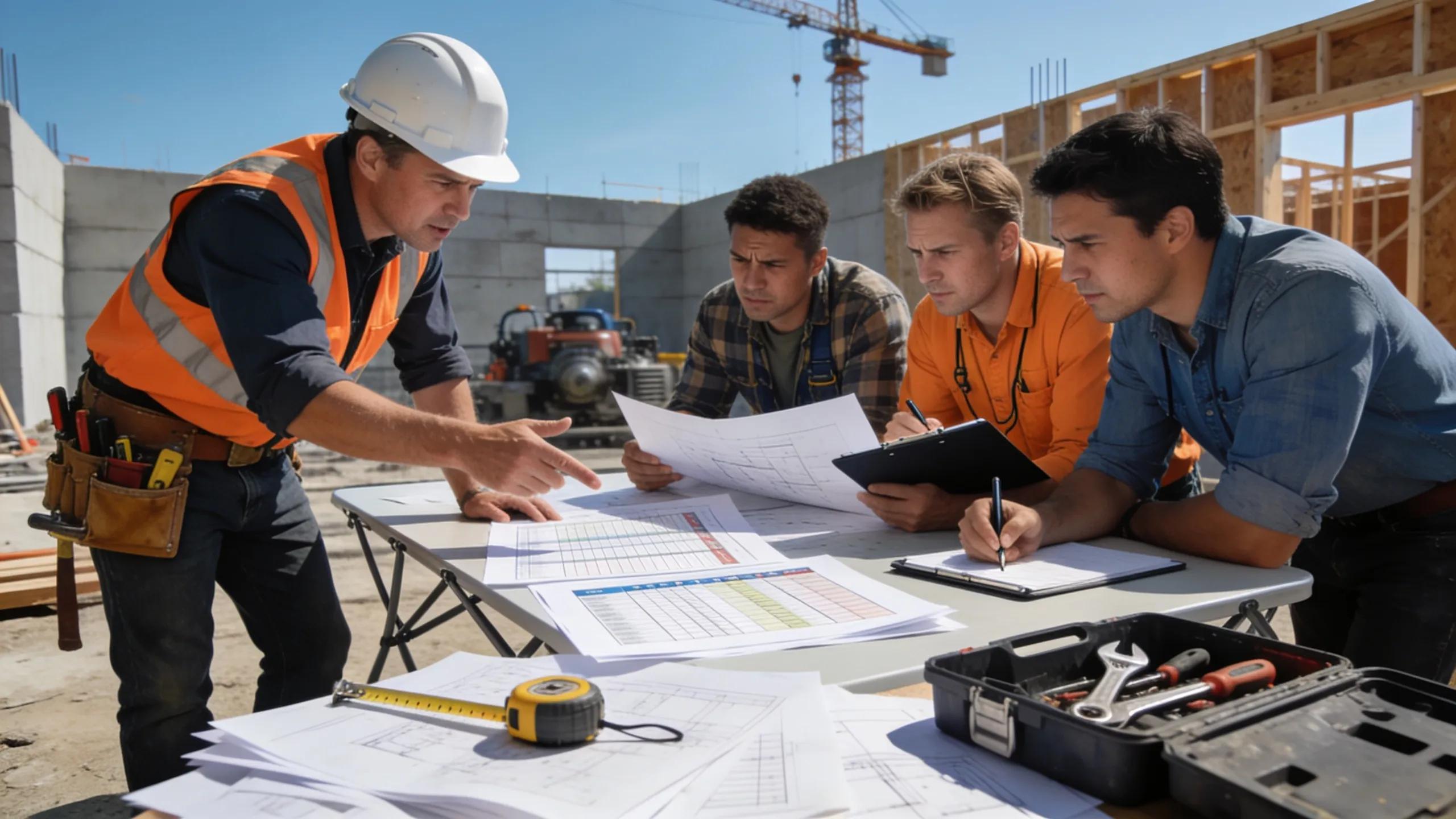
General contracting often presents unique cost factors and scheduling challenges that can complicate a remodeling project. Common issues include unexpected costs arising from design modifications late in the process and the need to coordinate multiple contractors, which can lead to miscommunications and delays. Additionally, procurement issues related to sourcing materials may result in further timeline disruptions, impacting the overall experience for homeowners.
Comparing the performance of various contracting methods, including general contracting, against design-build models offers additional insights into their respective strengths and weaknesses.
Design-Build vs. General Contractor Performance in Highway Projects
Researchers have conducted numerous studies comparing project performance of design-bid-build (DBB) and design-build (DB) highway projects. However, little research has been done to compare the performance of DB and construction manager/general contractor (CM/GC) highway projects. Therefore, an exploratory study was conducted to compare the performance of 55 DB and 34 CM/GC highway projects from various States Departments of Transportation (DOTs) in terms of cost, change orders, and construction intensity.Performance comparison of design-build and construction manager/general contractor highway projects, 2013
How Do You Choose the Right Remodeling Approach for Your Home in Greater Phoenix?
Selecting the right remodeling approach depends on your specific project requirements, including the size and complexity of the renovation. Homeowners should consider their desired level of involvement in the project, as well as their time and budget constraints.
What Are the Key Considerations for Selecting Design-Build Services in Phoenix?
When evaluating design-build services in Phoenix, homeowners should assess key factors, including the contractor's local expertise and track record. Important considerations include verifying licensing and insurance, evaluating the quality of past work, and inquiring about communication processes. Crestmark Home Remodeling exemplifies these qualities, ensuring that clients receive tailored solutions designed to meet their unique needs while adhering to local building codes.
When Might General Contracting Be Preferable for Certain Phoenix Remodels?
In certain scenarios, general contracting may be more suitable for larger projects with specific design requirements or where the homeowner has established relationships with contractors. Projects requiring multiple subcontractors can benefit from the general contractor's oversight, particularly when individual contractor capabilities are known. For instance, expanding a complex space may necessitate specialized trades that a general contractor can efficiently manage. Understanding the Phoenix home renovation landscape can provide valuable insights into choosing the best approach.
What Unique Benefits Does Crestmark’s Design-Build Remodeling Bring to Phoenix Homeowners?
Crestmark Home Remodeling positions itself as a leading design-build firm, combining expertise in both design and construction to deliver exceptional results. The unique benefits of working with Crestmark include enhanced cost efficiency, expedited project timelines, and greater design flexibility. With a focus on the homeowner's vision, Crestmark ensures that each project is tailored to meet individual preferences and lifestyles.
How Does Crestmark Ensure Transparent Budgeting and Dedicated Onsite Supervision?
Crestmark's commitment to transparent budgeting is among its key strengths, providing itemized quotes and regular project updates. This transparency builds trust and empowers homeowners to make informed decisions throughout the remodeling process. Additionally, Crestmark assigns dedicated project managers who supervise the work onsite, ensuring communication flows seamlessly and quality standards are maintained.
What Client Success Stories Demonstrate Crestmark’s Quality Craftsmanship?
Several client success stories showcase Crestmark’s commitment to quality craftsmanship and customer satisfaction. Homeowners have praised the firm for its attention to detail and its ability to transform spaces innovatively. These testimonials reflect the positive outcomes achieved through Crestmark's tailored approach and collaborative partnerships during the remodeling journey, highlighting its role as a trusted partner in the Phoenix area. For more details on effective project management in renovations, "remodeling project management" offers valuable strategies and insights.